9/24/2015: Morning Run, 5.2 Miles: Pacing Yourself in Training and Races

After hitting the gym on Tuesday for the first time in two weeks and completing my leg circuit, and then completing an intense 8.5 mile November Project NYC workout yesterday, I woke up sore. I usually recover quickly, but Tuesday’s gym workout really zonked my muscles.

So, what happens when we’re scheduled to run but we’re sore? We run! But we modify the run. I foam-rolled for a couple extra minutes before and after the run, cut my usual 6.2 mile route short by a mile, and ran at an easy pace. While most of my training happens in an aerobic heart rate zone between 134-144/145 beats per minute, this morning’s run barely cracked 135 beats per minute.

I ran instead of resting because I’m running the Bronx 10 Miler on Sunday, and wanted  two solid rest days instead of a rest day today followed by a Friday run followed by rest on Saturday. I believe two days with Time OFF My Feet will have me ready for the 10 Miler.

Unsurprisingly, this morning’s run highlighted my competitive nature. While I try to live by the statement, “You don’t win at training, but you can lose by overtraining,” I can still try to outrun other runners during training runs. This morning, therefore, while running at a reduced pace, I found myself pushing harder when runners passed me. I had to remind myself to run my own pace, and to keep my stride easy and effortless.

Keeping the focus on my pace has helped me during races as well. For example, when I ran the NYRR 10k Spring Meltdown in March, I followed a very specific race plan: Run miles 1-2 about 10 seconds slower than goal pace; run miles 3-4 at goal pace; and run miles 5-6.2 at  about 10 seconds faster than goal pace, focusing on passing runners only during these final 2.2 miles. I remember three or four guys barreling past me around miles 1.5-3, at which time I had to remind myself to focus only on my race. When I finally increased my pace at mile 5, I passed all of these runners. I finished in 39:47, my first sub-40 minute 10k, good enough for 33rd place out of 1,878 finishers.

I employed a similar strategy when I ran the Percy Sutton 5k in August, although I abbreviated the pacing strategy: Run the first mile about 5 seconds slower than goal pace, the second mile at goal pace, and go crazy on the final 1.1 miles. Again, I remember numerous runners skipping past me during miles 1-2. When I turned up the heat during mile 3, I cruised past most of these runners, and never saw them again. As I’ve posted about before, this performance snagged a 75th place finish out of 4,727 runners.

While these examples demonstrate good race strategy, I would be lying if I said that I’ve always paced well. For example, when I ran my second marathon, the 2004 Marine Corps Marathon in Washington, DC, I completely hosed the pacing. I was undertrained and overconfident, having completed my first marathon earlier that year with a negative split. I cruised through the first half at a pace much faster than I could ever sustain at that point in my running career. By mile 14 I had to walk because my quads felt like wooden blocks under my skin. I “completed” (I can’t say that I ran) the second half about 40 minutes slower than the first. I also spent days afterward recovering. Poor training, terrible execution.

To a lesser extent I had a difficult time with the last four miles of last year’s Staten Island Half. I trained well for this event, although I ran an impromptu 13.1 miles while out in San Francisco a few weeks before the event. I was cruising along for the first eight miles until the course hit a large hill around mile nine. Unprepared for the hill, I ran it way too hard in an effort to maintain my race pace. The result: my pace dropped from 7:40/mil to 8:15/mile for the final four miles because I trashed my quads and could not recover.

The lessons from these episodes? I take away three things:

  1. Know your race pace. Before you begin a race, have a sense of what your race pace will be, and develop a strategy on how to run the race so that your average pace will equal that predicted race pace.
  2. Know your course. When I ran the 2014 Staten Island Half, I did not look at the course map or elevation chart. I suffered as a result because I didn’t plan for the hill at mile 9. When I ran the NYRR 10k Spring Melt Down, however, I knew the course inside and out (it’s the Central Park Loop). Similarly, when I ran the Percy Sutton 5k, I researched and knew that the first mile was mostly uphill and that the first half of mile three was entirely downhill. I developed a race strategy to take these elevation changes into account.
  3. Be willing to adjust. Had I taken a deep breath at mile nine of the 2014 Staten Island Half and said, “Don’t worry about charging up this hill,” I might not have lost so much pace for the rest of the race. Unexpected things happen during races. The course might be tougher than anticipated, or maybe you have a tight quad that won’t release. Adjust. And don’t be too hard on yourself if you run slower than anticipated. Reflect, learn, and remember that we run because we enjoy the sport.

As always, happy running, everyone!
9/20/15: Morning Run: 8:30 a.m., 17.5 Miles, West Side Hudson River Greenway

Another weekend, another long run!

I decided to run north on the Hudson River Greenway because New York Road Runners was hosting an 18-mile marathon tune-up run in Central Park, and running outside the barriers in the Park amid cyclists and tourists sounded miserable. I also wanted to see the Greenway from the runner’s perspective, as I’ve mainly biked up and down it.

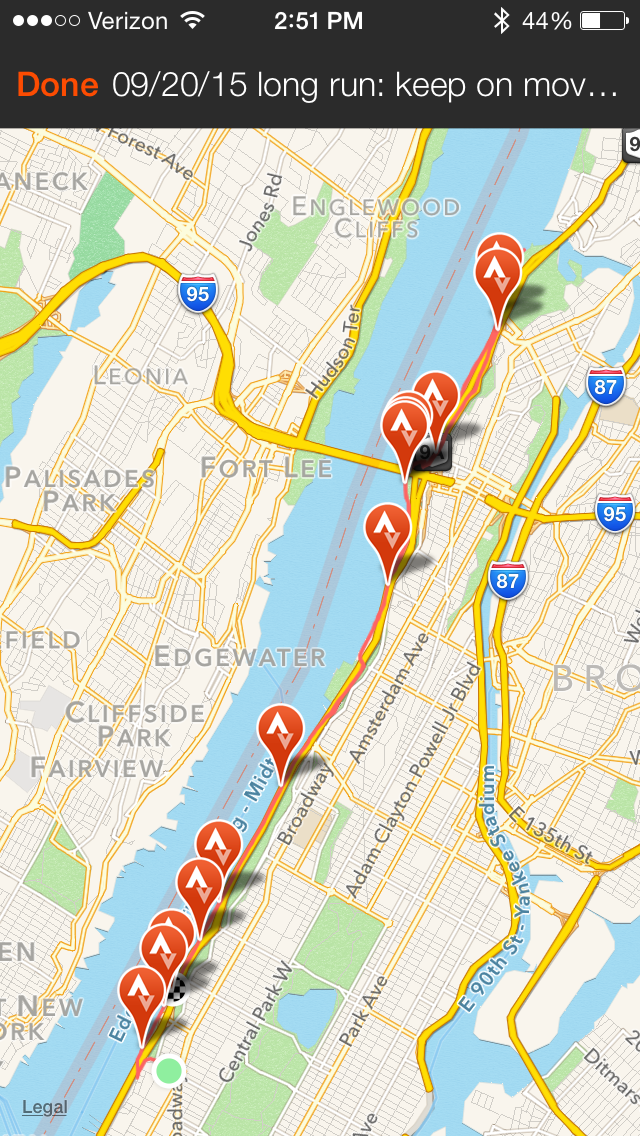
I ran as far north as I could go, which was approximately 8 miles from where I entered the Greenway around 70th Street. The Greenway is a great place to run because it’s very flat, and the breeze from the Hudson keeps you cool.

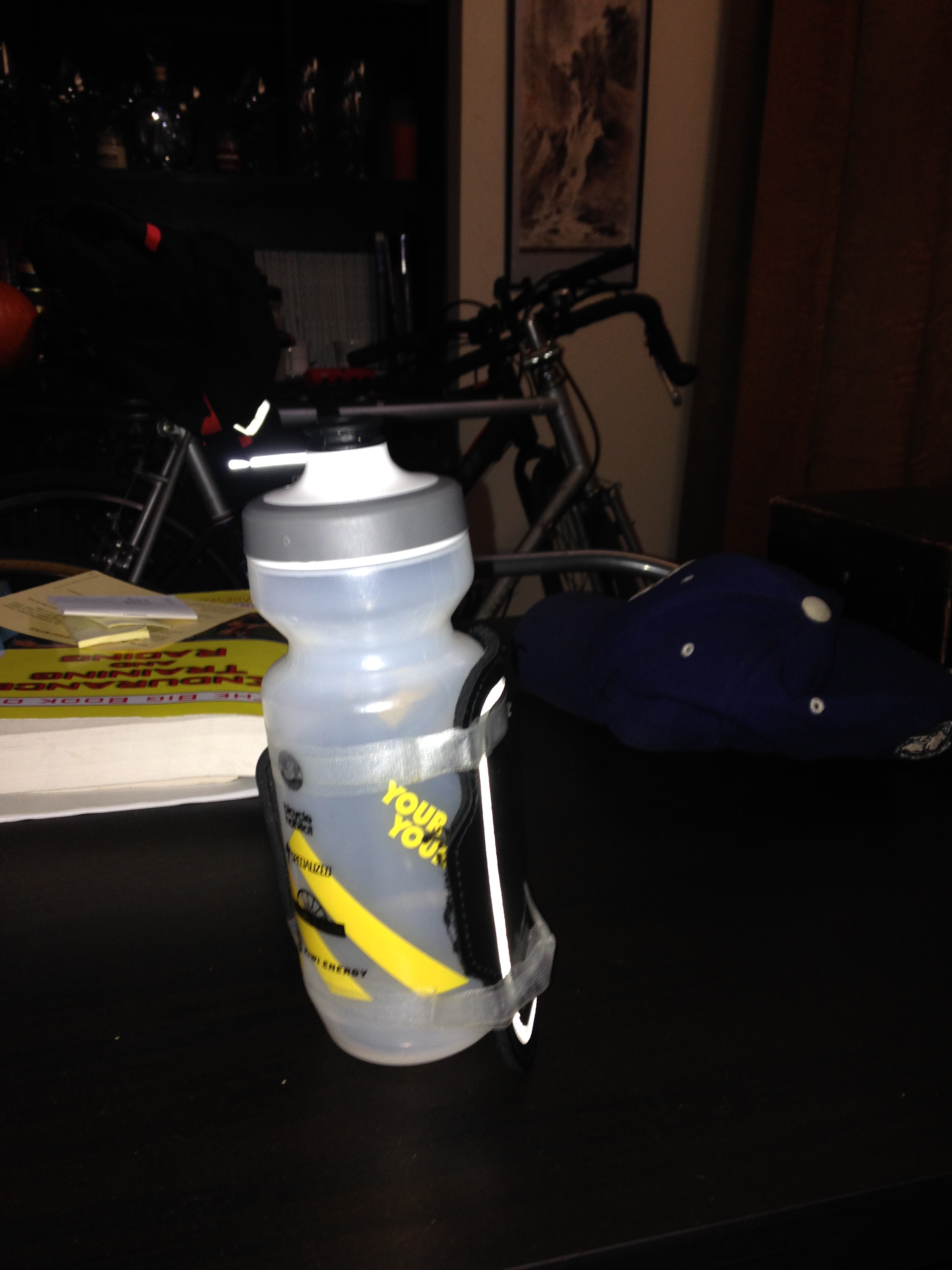
I carried my bike water bottle with my cell phone taped to it (my cell phone carrier ripped apart during the NYC Century, at which point I had to stuff it into my bike shorts for the final 20 miles . . . so many shenanigans on that ride!).

Makeshift Handheld Water Bottle

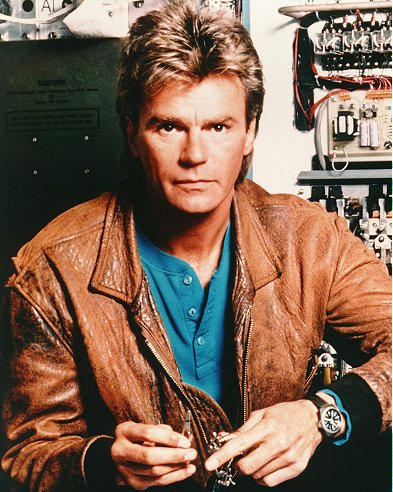
Sometimes you MacGyver a handheld water bottle.

MacGyver

This guy would be proud of my makeshift handheld.

About six miles into the run, I hit a long uphill section that starts with a very steep switchback. I slowed down a lot at this section, but felt good on the less-steep incline that followed. Every time I run a steep hill these days I think about running over the Verrazano and Queensborough bridges, and envision myself taking deep breaths and staying within my pace during the NYC Marathon. I have made the mistake of not running my race pace, and it hurts (physically and mentally).

About 7.5 miles into my run (7 miles on the Greenway) I hit a new section of pavement that connects the Greenway to Inwood Park. Inwood Park terminates in a small paved circle, so I ran around the circle and headed back to the Greenway. I took a 1.5 mile detour down a riverside path (.75 miles out and back), and then headed back uphill to the Greenway, the uphill lasting for a good two miles before hitting smooth sailing downhill and then flat all the way home.

People, I have news: There is a whole world in Manhattan above the George Washington Bridge, and it is luscious and peaceful. I will definitely be running this route again.

My legs felt good for most of the run, but my right leg started getting sore about 10-11 miles in. It’s a strange soreness: My mind knows that my right side is getting sore faster than my left, and that’s expected due to my injury, but it doesn’t hurt or affect my speed. I wonder, however, whether this will affect me during the marathon. My long run pace differs significantly from my anticipated marathon pace (by 60-70 seconds per mile), and that’s perfect based upon my Maffetone maximum aerobic heart rate and other coaches’ suggestions for long run pace (the long training run is all about aerobic system development – not about racing during training). I just wonder whether my right leg will give me issues when I attempt to run at race pace for 26.2 miles. That’s why I foam roll immediately after the run, and then stretch my hips and IT bands most days.

Whatever happens, I’m pumped about how far I’ve come in my training, and look forward to the Bronx 10 Mile next weekend! It will be the first real endurance test of the season, and maybe it will provide insights into where my right leg is at.

Here are the path and mile splits from the run. The first mile includes about half a mile of warm-up jogging. I did not record my seven minutes of warm-up walking, or the fifteen minute cool-down walk.

Hudson River Greenway Run Route   Hudson River Greenway Mile Splits

Happy running, everyone!

9/17/15: Morning Run: 5:30 a.m., 8 Miles, Central Park Loop

Yesterday’s “golf” outing with November Project NYC got my heart rate up to 160 beats per minute, right on the edge (and probably slightly into) anaerobic territory. I’d call that a “hard” workout. While I train following the Maffetone 180 Formula, I’m entering a race season, and need to get in some upper aerobic and anaerobic workouts to increase speed and prepare for racing. It’s all part of training for races.

After hard workouts, it’s important to follow up with a day of rest or an easy run. That’s exactly what I did this morning, throwing down a mid-week long-ish run in Central Park. This run felt infinitely better than my weekend long run, likely because I warmed up properly (about 12-13 minutes of walking and jogging before accelerating to my maximum aerobic heart race pace) and really focused on keeping my heart rate under 145 beats per minute.

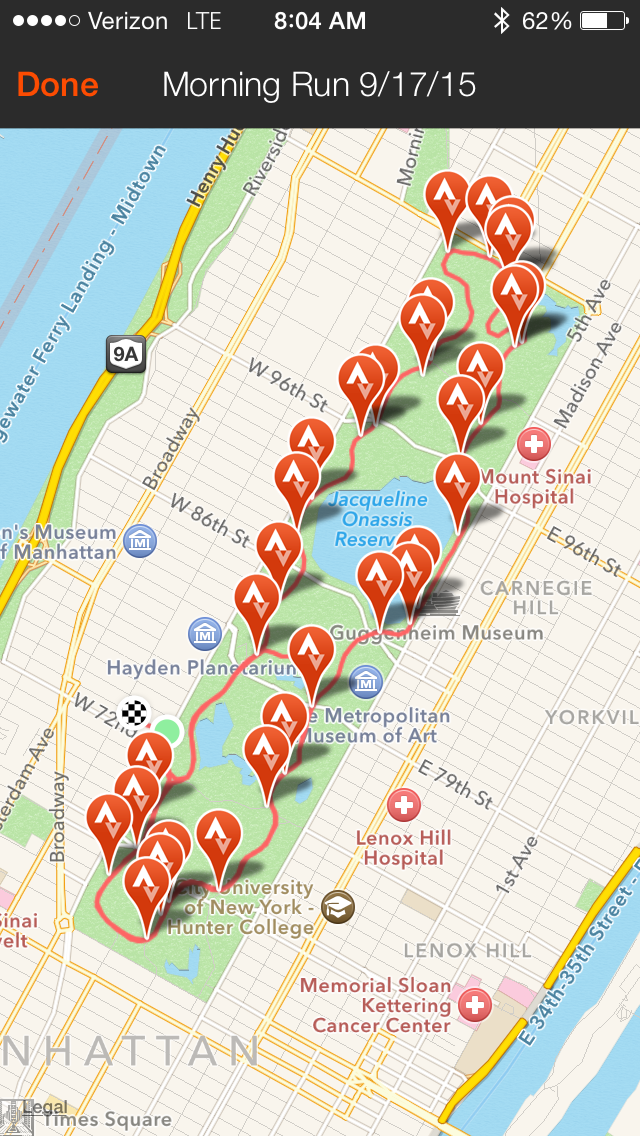
I used Strava to record my mile splits. I generally use MapMyRun and, while I like MapMyRun, have heard positive things about Strava. My initial review of the Strava app is this: While I liked how easy it is to use and how it recorded mile splits and average pace, I did not like the lack of instantaneous pace (which MapMyRun provides) and I really don’t like the route map Strava creates (it has lots of flags on it that make it difficult to see the actual route). Maybe these issues are addressed in the premium version. I will explore the online features before making a final judgment. One thing I love about MapMyRun’s website is the “create a route” option, which you can use to determine a run’s length, or plug in a race course to create an elevation profile – very helpful when a race doesn’t publish one.

You know you’ve run a solid aerobic run when you finish feeling pleasantly tired, your muscles aren’t sore, and your mind feels sharp. That’s how I’m feeling right now, which is great considering how depleted my mind felt after the NYC Century.

Here are the path and mile splits from the run, courtesy of the Strava app:

Central Park Run Central Park Run

Woot! Happy running, everyone!